

How MRI and Medical Evidence Influence Injury Compensation
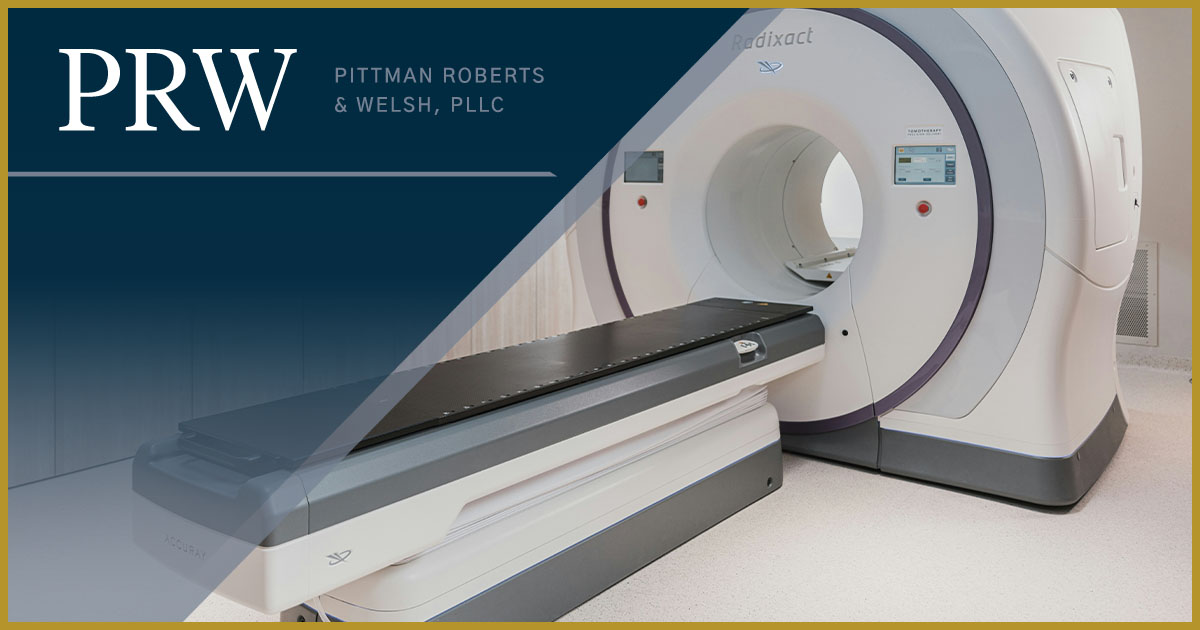
Magnetic resonance imaging (MRI) is a non-invasive medical imaging test that uses a strong magnetic field to generate detailed 3D or cross-sectional images of a patient’s organs, soft tissues, and bones. It is a device that has revolutionized medical diagnosis.
Since MRIs became readily available in the 1980s, they have helped doctors accurately diagnose patients and develop treatment plans.
MRIs also play a crucial role as medical evidence in personal injury claims.
Some injuries occur after a car crash or a slip and fall accident that are obvious. A broken bone can show up on an X-ray, but it will take an MRI to reveal a brain injury or help diagnose a spinal cord injury. It is easy to see how this advanced technology can go a long way towards supporting your personal injury claim.
The Role of Objective Medical Evidence in Injury Claims
A collision between two vehicles will always have two versions: what happened from your perspective and what the other driver has to say. In order to prove your version of what happened, you need evidence. You can think of that evidence as external or internal.
External evidence would include surveillance footage or eyewitness accounts that detail how an accident occurred. Internal evidence would be objective medical evidence, such as an MRI, that can prove causation.
Causation is the link between the accident and your injuries. In other words, you wouldn’t be injured if not for the accident. Medical evidence is generated by trained professionals.
You can’t fake an MRI. The presentation of this evidence strengthens your credibility to establish causation. That is why it is important to see a doctor immediately after an accident, even if you feel fine initially.
You want to have those medical examinations conducted and on the record.
Types of Medical Evidence That Strengthen Your Case
A common symptom of most accident injuries is some level of pain, but that is extremely subjective. What might feel like the worst pain you’ve ever experienced might not be as bad for someone else. However, if you can introduce medical evidence, you can clearly establish the injury, and your experience with pain will be much more believable.
Here are some of the medical evidence that can strengthen your case:
Medical Records and History
All the medical records related to your injury are vital for establishing a link between the accident and your suffering. Your medical history can also support the fact that you were healthy before the accident, and your pain can’t be blamed on a pre-existing condition.
Diagnostic Imaging
From MRIs to CT scans, these tests can provide objective visual evidence of the extent of your injuries. Although an insurance company might try to assert your pain isn’t as bad as you make it out to be, the diagnostic images don’t lie.
Expert Testimony
Medical professionals who specialize in the field of medicine that your injury is involved in can provide opinions that carry a lot of weight. Not only can they identify the cause of a particular injury, but they can also describe how it affects a patient’s daily routine.
Functional Capacity Evaluations (FCEs)
An objective medical practitioner will conduct a Functional Capacity Evaluation to determine if you’re able to return to work. Their report will be crucial evidence, especially in a workers’ compensation claim.
Pain Journal
You are encouraged to keep a pain journal that can document your experiences with your injuries. This journal can document how your pain causes discomfort throughout the day and prevents you from sleeping at night. It can also detail the progress of your recovery and any setbacks. Your journal can also speak to the emotional toll your injuries have taken on your life.
How Insurance Adjusters Evaluate Diagnostic Test Results
The insurance adjuster who will be assigned to your claim is going to be on the lookout for any loophole they can use to diminish what you’re asking for.
An insurance adjuster prioritizes objective evidence over subjective evidence. For instance, you might complain about back pain, but the only way to prove that is with a diagnostic test result that could show something like a compressed disc in your spinal cord.
An adjuster will also look for evidence that the injury isn’t directly related to the accident.
If you ever saw your doctor for back pain or were prescribed chiropractic care, they could point to that as proof that the pain you claim today is related to that previous injury. Diagnostic results can help disprove that assumption by establishing how the new injury occurred and why it isn’t connected to an old injury.
Just as you’re entitled to have medical experts provide testimony in support of your personal injury claim, insurance adjusters can do the same.
However, it is hard to argue with an MRI scan that clearly shows the extent of an injury.
Why You Need a Jackson Personal Injury Attorney
After your accident, you will probably be prescribed a range of diagnostic tests to help determine the extent of your injuries.
Although you might obtain copies of those test results, you still need to present them compellingly to fortify your claim. That’s when the Jackson personal injury attorneys at Pittman, Roberts & Welsh, PLLC can help.
Our attorneys have decades of combined experience helping Jackson residents take on big insurance companies to pursue their rightful compensation. We have a network of medical professionals who provide analytical support on behalf of our clients. Doctors and radiologists can testify to the validity of MRIs and other diagnostic scans that will support our clients’ claims.
When we take on a case, we assume responsibility for negotiating with the insurance company. Our goal is to support our clients’ recovery journey by advocating for them.
If we can’t find a fair resolution through negotiations, we might suggest filing a civil complaint. That’s where we would present your diagnostic results to a jury and let them have the final word on what you’re due.
If you’ve been the victim of a car accident, we want to hear from you. You can call to schedule a free case review. In that initial consultation, we can answer your questions and discuss all your options for moving forward.